March 16, 2026
Maintaining a healthy home involves more than just keeping the interior clean and the lawn manicured. Below the surface of your property lies a complex infrastructure responsible for managing waste and protecting your local environment. Understanding the rhythms of your waste management system is essential for any homeowner. One of the most critical aspects of this maintenance is determining the ideal frequency for professional intervention. While it might seem like a "set it and forget it" feature of your home, ignoring what happens underground can lead to messy and expensive consequences.
Assessing Household Capacity
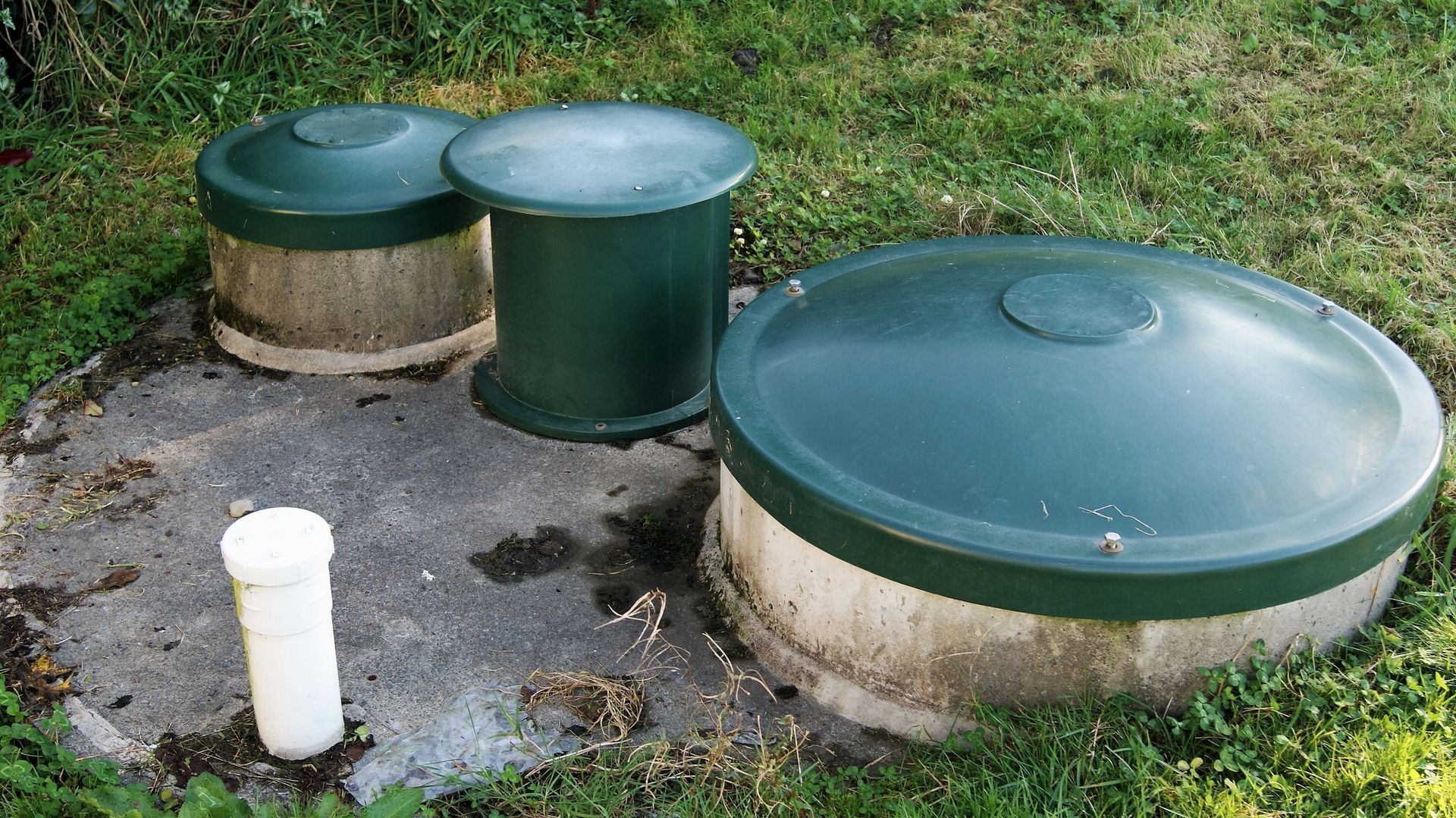
The primary driver behind your maintenance schedule is the sheer volume of usage. A residence occupied by a large family will naturally generate more wastewater and solids than a cottage inhabited by a single individual. Every time a toilet flushes, a shower runs, or the dishwasher completes a cycle, the containment vessel receives a new influx of material. The physical dimensions of the tank dictate how much it can hold before the separation process becomes inefficient.
Evaluating the number of occupants against the size of the unit allows homeowners to create a baseline for care. If the residence frequently hosts guests or has seen an increase in permanent residents, the previous schedule may no longer be adequate. Monitoring usage patterns is the first step in ensuring that the system remains functional and does not become overwhelmed by daily demands.
Monitoring Sludge Accumulation
Inside the tank, a natural biological process separates waste into three distinct layers. Scum floats to the top, clarified liquid remains in the middle, and heavy solids — often referred to as sludge — settle at the bottom. Over time, the bottom layer grows deeper, reducing the space available for the liquid to settle properly. If the sludge reaches a certain height, it can begin to exit the tank and enter the drainage field, which is a recipe for disaster.
Regular inspections help determine the exact depth of these layers. Professionals use specialized tools to measure the buildup, providing a clear picture of when the tank has reached its limit. Relying on visual checks or waiting for a backup is a risky strategy. Instead, keeping a close eye on the accumulation of solids ensures that the liquid section remains large enough to allow for proper bacterial breakdown before the water moves on to the next stage of filtration.
Considering Component Longevity
The physical integrity of the unit itself plays a role in how often you should seek professional assistance. According to This Old House, several factors affect the lifespan of a septic tank, but it can last from 15 to 40 years. As a system approaches the later stages of this timeframe, it may become more susceptible to structural issues or decreased efficiency. Older units might not have been designed to handle the modern influx of high-volume water usage or the chemical cleaners common in contemporary households.
Understanding where your system sits within its expected lifespan helps you anticipate needs. A newer tank might be more forgiving, but an aging one requires a watchful eye. During a standard service visit, technicians can check for cracks, root intrusions, or failing baffles that might necessitate more frequent attention. This proactive approach ensures that the aging infrastructure continues to perform its vital role without sudden failure.
Evaluating Water Usage
Water conservation is not just good for the planet; it is vital for your underground waste system. Excessive water entry can "wash out" the tank, meaning the liquid moves through so quickly that solids do not have enough time to settle at the bottom. This turbulence forces suspended solids into the leach field, where they can clog the soil and cause complete system failure.
Homeowners should be mindful of "laundry marathons" where many loads are washed in a single day. Spreading out water-intensive tasks allows the tank time to settle and process the waste effectively. When water usage is consistently high, the need for septic pumping increases to ensure that the solid layers are removed before they can be pushed out by the heavy flow. Balancing the input of water with the capacity of the tank is a delicate but necessary dance for long-term stability.
Protecting the Drainage Field
The drainage field is the final destination for treated wastewater, where it undergoes natural filtration through the soil. This area is incredibly sensitive to the quality of the liquid it receives. If the primary tank is not maintained, the effluent leaving it will be filled with fine solids that act like grout, sealing the soil and preventing drainage. Once a drainage field is compromised, the cost of repair often dwarfs the price of routine maintenance.
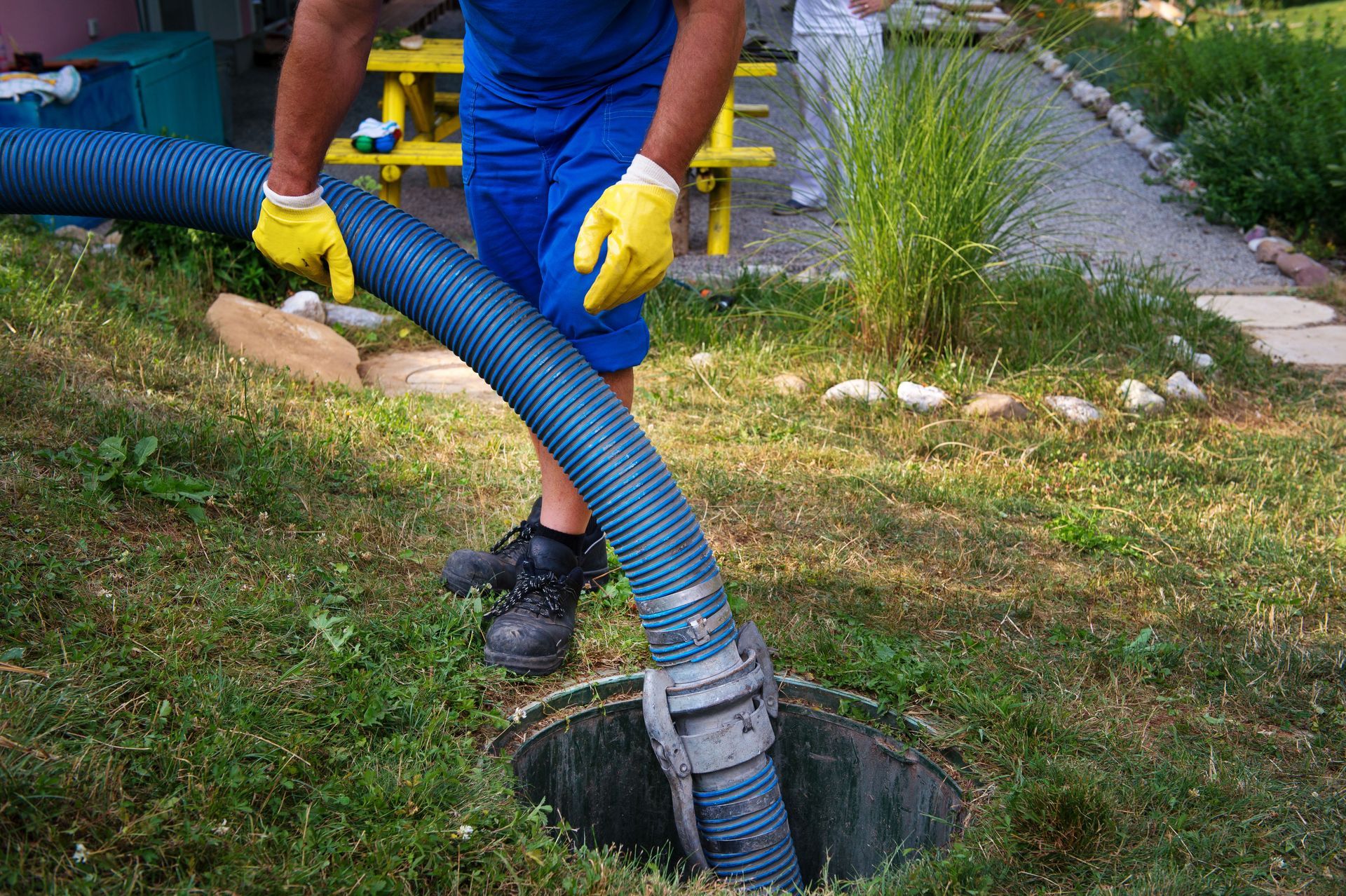
Regularly scheduled septic pumping is the most effective way to protect this valuable area. By removing the concentrated waste from the tank, you ensure that only relatively clear water reaches the soil. Keeping the area above the drainage field clear of heavy vehicles, structures, and deep-rooted trees also preserves its ability to breathe and process water. A healthy tank and a healthy field go hand-in-hand, forming a complete cycle of waste management that protects your property and the surrounding groundwater.
Implementing Routine Maintenance
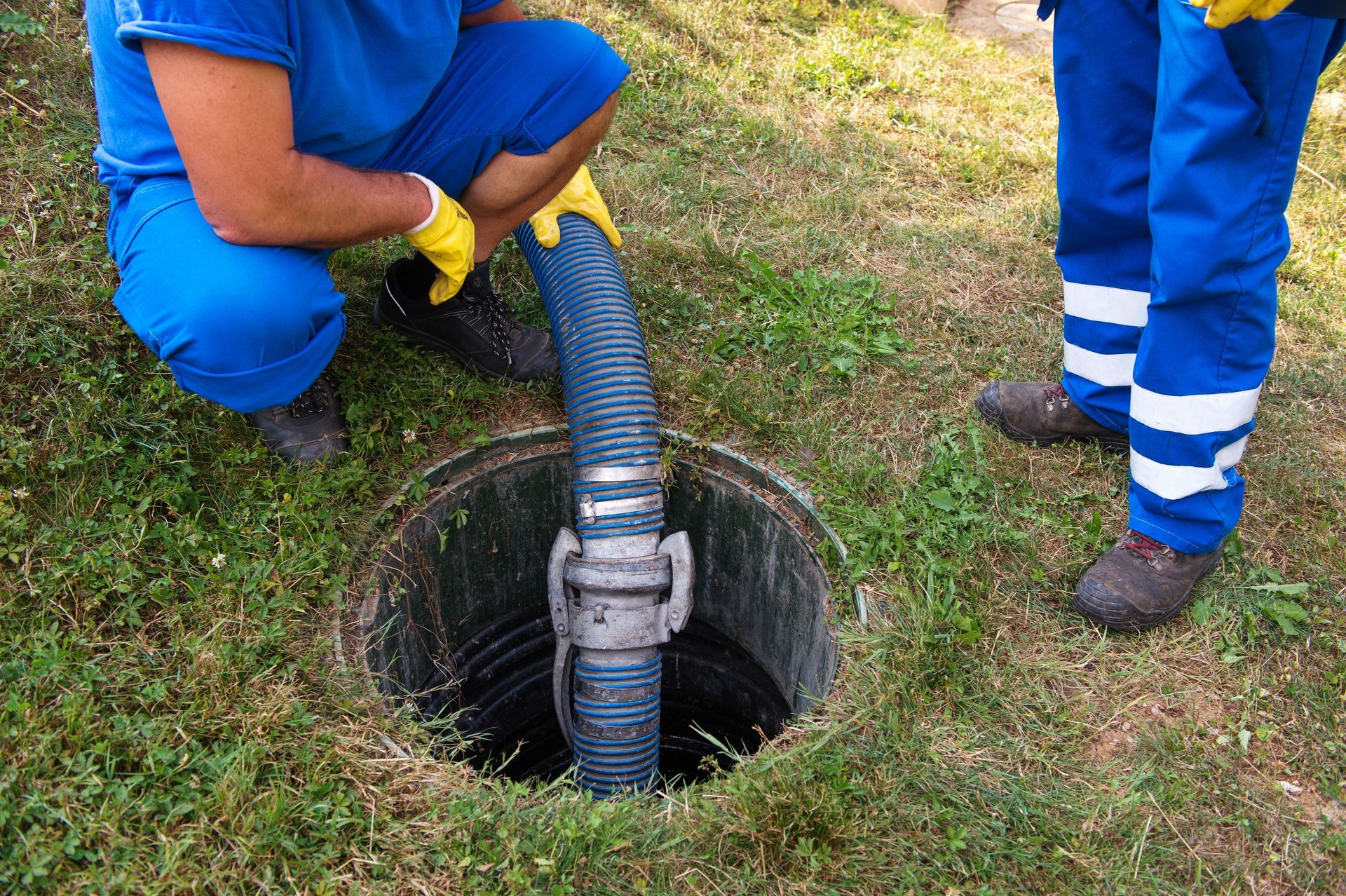
Creating a consistent schedule is the hallmark of a responsible homeowner. Instead of waiting for slow drains or foul odors to signal a problem, establishing a recurring appointment ensures peace of mind. Professional technicians do more than just empty the vessel; they inspect the mechanical components, check the integrity of the lids, and ensure the baffles are positioned correctly. This holistic view of the system’s health can catch minor issues before they escalate into emergencies.
Documentation is a key part of this process. Keeping a log of every septic pumping event, along with notes on the system’s condition, helps track performance over the decades. This record-keeping is invaluable when it comes time to sell the home, as it proves to potential buyers that the infrastructure has been meticulously cared for.
The health of your home’s waste management system depends on a combination of mindful usage and professional oversight. By considering the size of your household, the age of your equipment, and the volume of water you consume, you can tailor a maintenance plan that fits your specific needs. Routine septic pumping remains the most effective tool in your arsenal to prevent system failure and protect the environment.
Investing in regular septic pumping is far more affordable than the alternative of a total system replacement. It ensures that the biological processes within the tank remain balanced and that the drainage field stays porous and functional. With a bit of attention and the help of experts, you can ensure that your underground infrastructure remains out of sight and out of mind for many years to come.
If you are unsure when your last service was or if you have noticed changes in your drainage, now is the time to act. Professional septic pumping provides the deep clean your system needs to restart its cycle of waste decomposition effectively. Don't wait for a sign of trouble to prioritize your home's health; a proactive approach to septic pumping is the best way to safeguard your property and your wallet.To ensure your system remains in peak condition, contact our expert team at Rose Septic Tank Cleaning Inc for a comprehensive inspection and service.