February 19, 2026
Understanding the importance of regular inspections can significantly enhance the longevity of your septic system. This article delves into common inquiries regarding septic tank maintenance and its crucial role. Frequent inspections not only help in maintaining the functionality of the system but also prevent possible environmental and health risks. By conducting routine check-ups, homeowners can effectively manage waste without running into unforeseen complications.
Homeowners often overlook the necessity of regular septic system inspections, which can lead to costly repairs and replacements. With a comprehensive inspection plan, small issues can be identified before they escalate into major problems. The article will provide a detailed look at how often these inspections should be performed and the various factors that affect this schedule. Proper maintenance extends the life of the septic system, promoting efficiency and preventing unnecessary expenses.
Many might not be aware that neglecting septic tank inspections can pose serious threats to the home environment and its inhabitants. This article details the consequences associated with improper septic tank maintenance. With insights drawn from various experts, including the EPA's recommendation that a professional should inspect your septic tank every three years, homeowners will gain a clearer understanding of their responsibilities. We will also explore the procedural aspects of a standard inspection and its benefits.
How Often Should Septic Tank Inspections Be Performed?
Frequency of Inspections
The frequency of septic tank inspections is critical to the sustainability of the system. According to This Old House, the EPA recommends that you should have your septic tank inspected every three years by a professional. Regular inspections ensure that the system functions smoothly and remains free of buildups. Keeping this schedule prevents the potential for backups and overflow, protecting your home and the environment.
Every household is different, and factors such as the size of the household, the amount of water used, and the system's age must be considered. While the three-year inspection is a good benchmark, additional inspections may be warranted for older systems or those heavily burdened. By adhering to these guidelines, you maintain a proactive approach to septic tank pumping and system hygiene, minimizing repair costs.
Indicators for Immediate Inspections
Immediate inspections become necessary when certain signs indicate potential problems in the septic system. If you notice slow drains, gurgling water, or unpleasant odors around your property, it is time to act. These symptoms suggest that the system may be nearing capacity or has existing blockages. Regular maintenance and prompt action during these signs prevent larger, more costly issues from developing.
The appearance of lush, green grass patches over your septic field can also suggest leakage problems. While thriving greenery is typically a positive sign, it may indicate effluent leakage beneath the soil surface in this context. That is a clear signal warranting a professional intervention to assess the current state of your septic system. Addressing these signs promptly with a septic tank pumping service ensures that your system remains in optimal condition.
What are the Consequences of Neglecting Regular Septic Tank Pumping?
Increased Risk of System Failure
Neglecting regular septic tank pumping and inspections increase the risk of system failure significantly. As solids accumulate within the tank, they can lead to blockages and decrease the storage capacity, causing overflow. Such failures not only disrupt household activities but also threaten the structure with unwanted water damage. Hence, maintenance promotes a lasting and efficient septic system devoid of obstructions.
Ignored maintenance schedules lead to internal damage that can intensify without showing external symptoms immediately. Failure risks expand from within, affecting both the immediate property and potentially neighboring areas. The proactive engagement through routine septic tank pumping and inspection minimizes repair expenses. This preventive approach curtails the possibility of piping collapses or infiltration issues that can render the system inoperative.
Environmental Hazards
Environmental hazards emerge when septic systems are poorly maintained, posing threats beyond the property's boundaries. Overflow situations can introduce untreated waste into local water sources, polluting the ecosystem. Such hazards can disturb aquatic life and spoil recreational waters, leading to regulatory fines for the homeowner. Consistent maintenance and inspection reduce these hazards, promoting a safe and conscientious philosophy regarding natural resources.
Septic tank pumping ensures solid waste does not leach into the surrounding soil, protecting the land from contamination. Saturated sewage areas encourage bacteria and harmful pathogens to proliferate, creating potential public health concerns. Regular inspections prevent these environmental crises by ensuring proper system functionality and waste containment. An informed homeowner mitigates impact risks, maintaining a healthier ecosystem for their community.
The threat to the environment is compounded by chemical leaching from household cleaning products entering the sewage system. Inspectors can advise on eco-friendly alternatives, increasing awareness of sustainable living practices. By resolving minor issues that could potentially escalate into major environmental threats, professional oversight contributes to a cleaner, greener planet. Encouraging responsible septic system upkeep reduces ecological footprints while respecting local land and waterways.
What Does a Standard Septic Tank Inspection Include?
Inspection Tools and Techniques
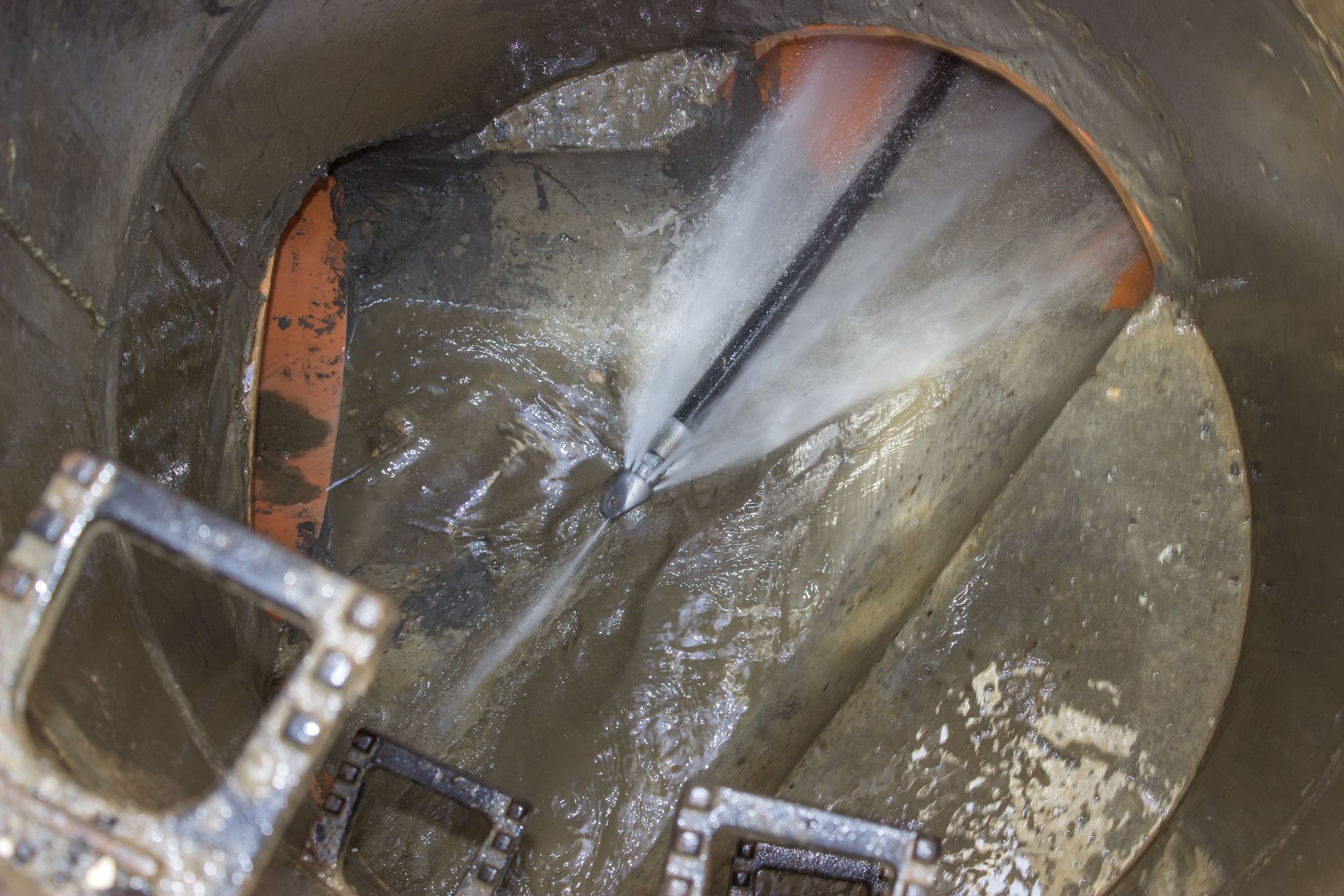
Standard septic tank inspections employ specialized tools and techniques ensuring thorough system evaluations. Professionals use probes to measure sludge levels, monitoring buildup and capacity within the tank. Video inspection apparatus provides visual inside views of pipes and chambers, locating potential obstructions or breaches. These tools allow for precise problem identification, avoiding guesswork and ensuring accurate diagnostics.
Advanced techniques such as pressure testing evaluate the system’s ability to retain and process effluence without leakage. These practices gauge flow efficiency and structural integrity, maintaining optimal operation conditions. Inspectors are trained to implement these techniques efficiently, considering economic and environmental impacts of any necessary interventions. Employing modern technology with skilled assessments revolutionizes traditional inspection practices.
Reports post-inspection outline findings, system conditions, recommended actions, and maintenance reminders. This documentation provides a comprehensive understanding to the homeowner, supporting informed decision-making. Consistency and accuracy in reporting promote proactive maintenance, highlighting immediate priorities or potential future concerns. A meticulous approach to inspections paves the way for effective, sustainable septic system management.
Components Checked During Inspection
During inspections, professionals assess critical components to ensure a septic system's health and functionality. Tank structure is evaluated for cracks or corrosion, which could lead to leaks and inefficiency. Inspections also cover inlet and outlet pipes, confirming proper attachments and flow direction to avoid backups. Regular maintenance supports these checks, keeping all operational components intact and functional.
Technicians scrutinize mechanical and electrical equipment associated with septic tank pumping and treating processes within the system. Motors, filters, switches, and alarms are tested for proper operation, securing systematic consistency. By evaluating these systems, technicians prevent mechanical failures from impacting sewage processing capabilities. An all-encompassing inspection routine keeps the entire system operating at peak performance levels.
Signs of Wear and Tear
Wear and tear assessment is a vital part of septic system inspections, revealing deterioration potentially impacting functionality. Inspectors pinpoint vulnerabilities such as bacterial sludge accumulation or chemical damages corroding pipes. Identifying these signs early prevents premature failures and costly repairs that extensive damages could necessitate. In addressing these elements proactively, the system maintains long-term operational stability.
Leaking pipes, blocked filters, or unsealed connections fall under wear concerns needing immediate attention. Inspectors routinely replace or repair such components to eliminate their progress to larger failures. Issues with wear are often inconspicuous to untrained eyes, emphasizing professional routines as a preventive measure. Systematically checking for these wear signs identifies needed interventions, keeping all components sturdy and operational.
Regular inspections and timely septic tank pumping are crucial in extending the lifespan of your septic system. Employing both routine maintenance and professional services can safeguard your investment and prevent costly repairs. Informed scheduling, responding to environmental factors, household size, and seasonal changes all play integral roles in successful septic maintenance. When alignments to these considerations are made, the preventive steps are not only economically rational but environmentally responsible.
By prioritizing septic system care, potential hazards like system failures, environmental contamination, or health risks are greatly reduced. Awareness promoted by professionals, paired with engaged household behaviors, fosters a healthy, balanced living environment. Adopt these practices to promote system longevity and function, securing both property value and eco-consciousness. Investing in regular septic system oversight ensures continued efficiency, benefiting homeowners and communities alike. Reach out to Rose Septic Tank Cleaning Inc today to see how we can help!